
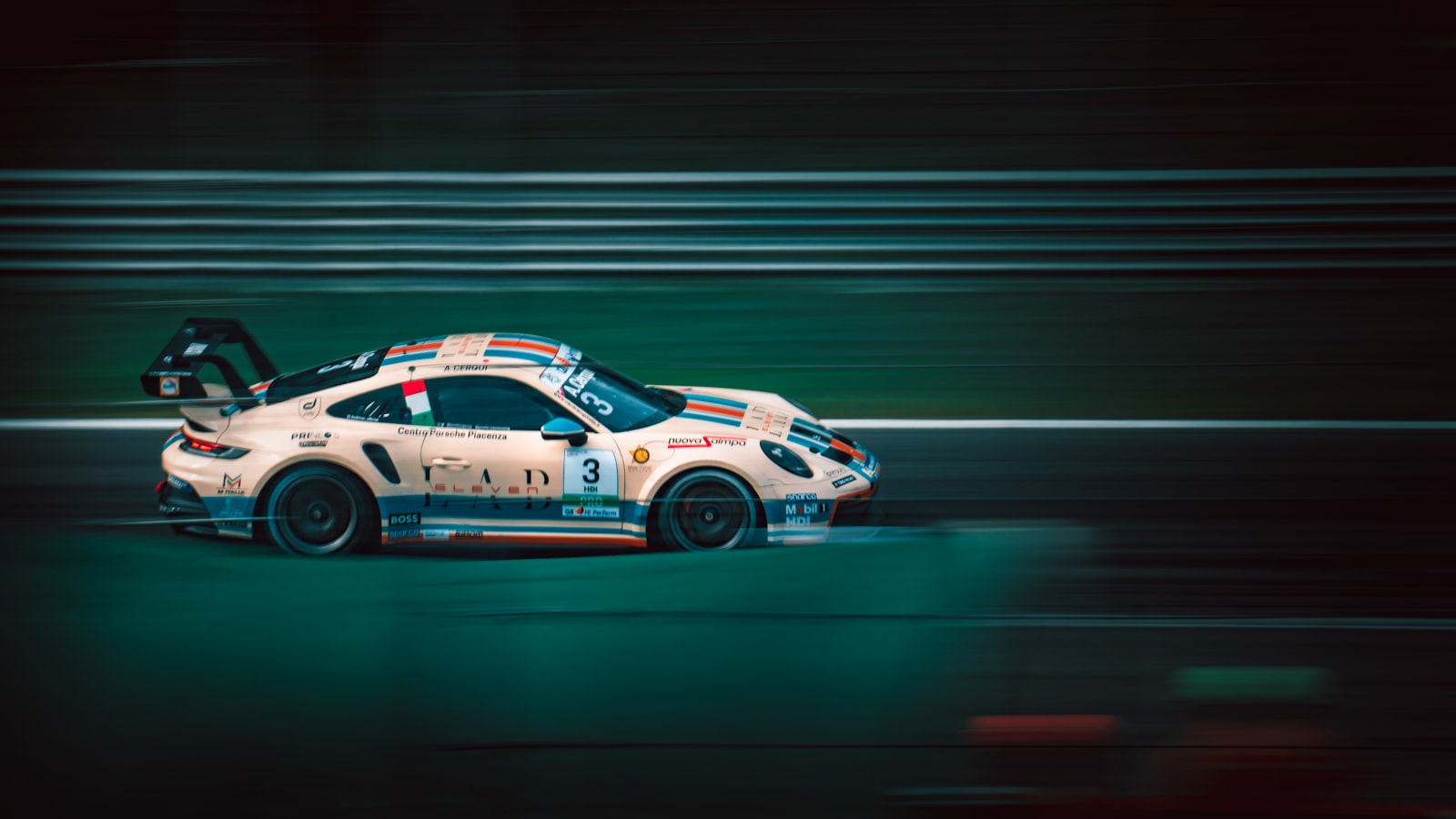
I watched the rally end from a snowbank at the exit of Stage 14, which is where I have always preferred to watch rallies end. Not the podium, not the service park with its catering and its lanyards. The stage exit, where the cars come out of the trees still carrying the speed they earned inside, where the co-drivers are still reading and the drivers are still listening, and where you can see in the first hundred metres of run-out whether a crew has anything left to give.
The crew that won had plenty left. They came out of the forest section sideways, corrected, and were gone toward the flying finish before the marshal beside me had finished writing the previous car's time on his board. By then the result was already decided, but the result is never the interesting part. The interesting part is how it got decided, and that story started two days earlier, on a Thursday recce in the rain.
The road position trap
This was a mixed-surface event — tarmac transitions, long gravel loops, and one snow-laced morning that nobody had planned for and everybody had to drive. On gravel, road position is a tax you pay for being fast. The first cars on the road sweep the loose top layer off the racing line and leave a cleaner, grippier surface for the cars behind. Run first on a fresh gravel stage and you are, in effect, paving the road for your rivals.
So the championship leader did what championship leaders do when they are running first: nothing reckless. He drove the Friday like a man protecting a lead, ceding maybe four seconds across the loop, content to start further back on Saturday and let someone else sweep. The classic Friday-cede, Saturday-attack play. It is the correct play roughly nine times out of ten.
This was the tenth time. Overnight the temperature dropped and the forecast rain came in as something between sleet and snow on the high stages. By Saturday morning the "disadvantaged" clean line everyone had been trying to avoid was the only line with grip, because it was the only line that had been compacted rather than left as loose, freezing marble. The man who had ceded Friday to start further back on Saturday started further back — onto a stage where being further back meant driving on ice somebody else had already polished. The trap had reversed itself overnight.
Tyres, and the choice nobody could un-make
Rally tyre choice is made at the service park, in the box, before you know what the weather is going to do an hour up the mountain. You fit what you fit, you bolt the door shut, and you live with it for the whole loop — in this case three stages and the road sections between them, with no chance to change in between.
The winning crew gambled. They took a harder gravel compound with the option of hand-cutting extra sipes into it — little knife-cuts across the blocks that bite into snow and slush — and they cut them aggressively, more than the tyre engineers would have liked, betting on the cold staying. It is an ugly, committed choice. Cut too much and on the dry tarmac transition you are driving on tyres that squirm and overheat and go off before the stage is done. Cut too little and on the snow you have nothing, you are a passenger.
The crews who played it safe — medium compound, conservative siping, the choice that is never wrong by much — were never right by much either. They survived the loop. They did not win it. On a morning like that one, surviving the loop is fourth place.
The recce notes that mattered
None of this works without the recce. Two passes through every stage at restricted speed, the co-driver building the pace notes, the driver confirming what he can carry. On the Thursday recce of the stage that became Saturday's decider, the winning co-driver had flagged one specific corner — a long, fourth-gear left that tightens unexpectedly over a crest where the road camber falls away to the outside.
On the recce in the dry it was a corner you could lean on. His note, I am told, was something close to 4 left long, tightens, don't trust it, camber gone. That little editorial — don't trust it — is the whole craft. It is not a description of the road. It is an instruction about how much faith to place in the description. When that corner came up on Saturday with snow sitting in exactly the spot where the camber fell away, the driver was already lifted, already loaded onto the inside, because his co-driver had told him on Thursday not to believe his own eyes there.
The crew running ahead of them did not have that note, or did not call it with the same weight, and ran wide onto the off-camber snow and into the ditch. Not a big crash. A stuck car, a lost two minutes, a rally over. The difference between a podium and a recovery truck was one word of caution written down forty-eight hours earlier.
The decisive moment
If you want a single instant where the rally was won, it was not a spectacular one. It was the entry to that fourth-gear left on the second pass of Saturday morning, when the leader on the road — the one carrying the polished-ice penalty — arrived at the crest a fraction too committed, understeered a metre wide onto the frozen line, and lost the back end. He saved it. That is the point. He saved it, beautifully, with a flick of opposite lock and a stab of handbrake, and in saving it he scrubbed off the two-tenths that had been his margin for the loop.
The chasing crew, on their cut tyres, on the note that told them not to trust the corner, simply drove through it cleanly. No save, no drama, no heroics. They did not gain time with a brilliant move. They gained it by not needing one. That is what a great rally drive looks like from the snowbank: not the slide you remember, but the slide that never had to happen.
What the stage exit tells you
By the final loop the gap was forty seconds and the rally was an exhibition. The leader did what you do with forty seconds in hand — he backed off two seconds a stage, kept the car off the scenery, and brought it home. People in the service park talked about the tyre gamble, and they were right to, but the tyre gamble only paid because the recce was honest and the notes were brave.
I stood at the exit of Stage 14 and watched the winning car run out into the white, the co-driver's hand still moving, calling notes for a finish line he could already see, because that is the discipline — you call it the same on the last corner of the last stage as you do on the first. Then they were past, and the snow they kicked up hung in the cold air for a second, and settled, and the rally was over. Won in the trees, decided on the recce, and paid for at the service park two days before anyone fired an engine.