
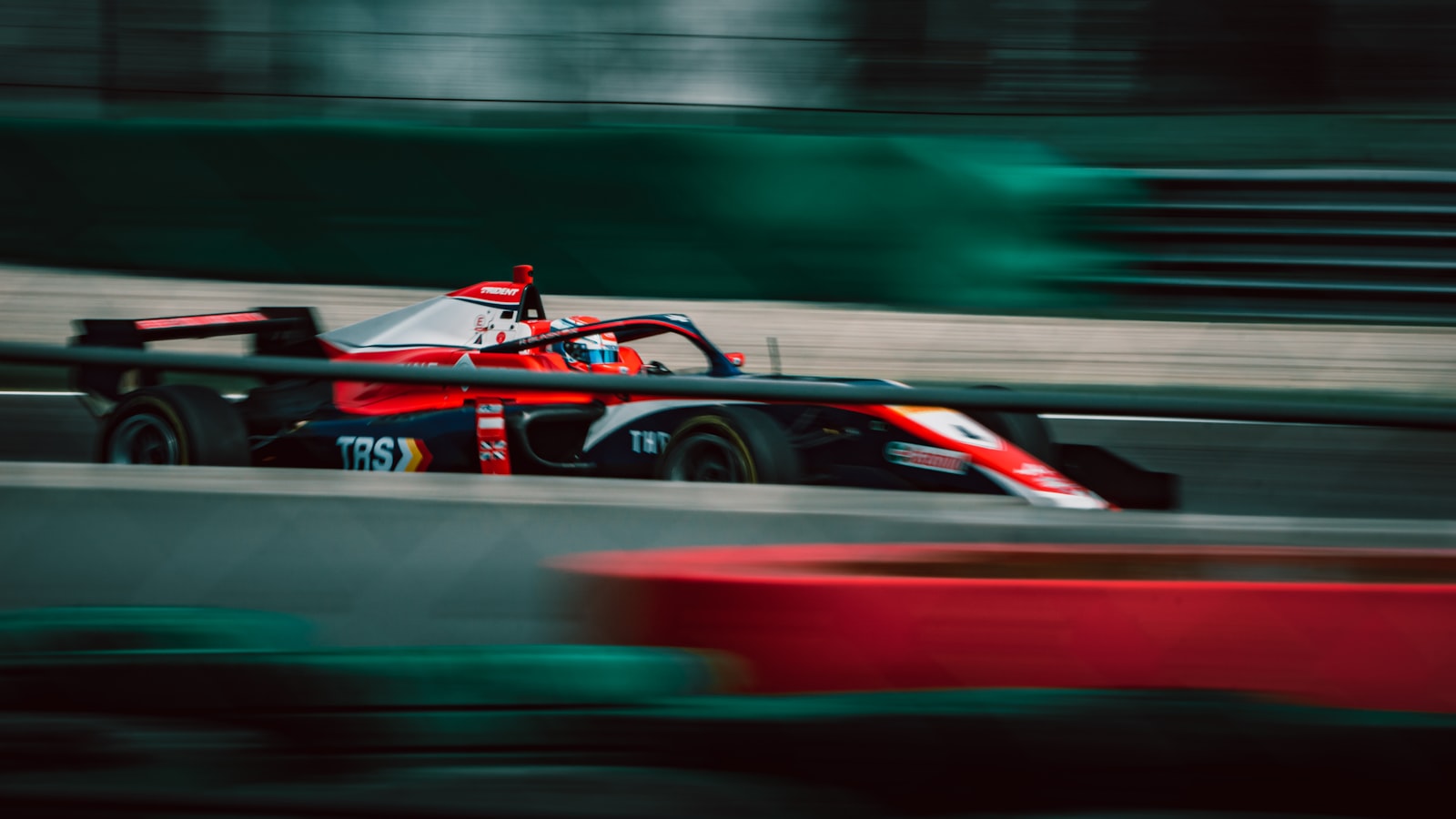
There are two ways to describe the current state of the top prototype class, and both are true. The first: it is the best sportscar grid in thirty years — a dozen manufacturers, customer programmes deepening the fields, and a top class so competitive that qualifying is settled by hundredths. The second: it is the most engineering-flat top class in the history of the sport, because the rulebook and the Balance of Performance system have squeezed almost every meaningful technical difference out of the cars. You cannot have the first without the second. That is the bargain everyone signed, and it is worth understanding exactly what was traded away.
The two roads to the same grid
The depth comes from having two different sets of rules that produce cars that race each other. On one side you have the LMH cars — built more or less from a clean sheet, with manufacturers free to design their own chassis and choose whether to run a hybrid system on the front axle. On the other you have the LMDh cars, built on one of a handful of spec chassis from approved constructors, all sharing a common hybrid unit, gearbox, and battery. Two philosophies, two cost structures, one grid.
That convergence is the whole point. A manufacturer who wants a halo programme and will spend accordingly builds an LMH. A manufacturer who wants to go endurance racing for a fraction of the cost takes a spec chassis, bolts on its own engine and bodywork, and goes LMDh. Both end up on the same lap time because the organisers force them to. And because there are two affordable-ish routes in, the paddock filled up. That is why the grid is deep. It was a deliberate, structural decision, not an accident of competitive luck.
What BoP actually does, and why everyone is quietly furious about it
Balance of Performance is the mechanism that makes an LMH and an LMDh post the same time. The organisers adjust each car's minimum weight, its maximum power, and — crucially in the current era — the power it is allowed to deploy at different speeds, along with the total energy it may use per stint. The aim is a top class where no single car has a structural advantage, so the racing is about execution rather than spend.
Here is the part nobody loves. Because the cars are balanced on aggregated performance data, the system is always looking backwards. If you sandbag in testing, you might get a kinder break. If you show your full hand too early, you might get pegged. The result is a paddock where everyone suspects everyone else of hiding pace, where a manufacturer that dominates one weekend expects to be slowed for the next, and where the phrase "we left it on the table in qualifying" has become a running joke because half the grid genuinely might have. It is impossible to prove. That ambiguity is corrosive, and it is the unavoidable cost of a balanced formula.
The engineering convergence
When you cap power, weight, downforce, and stint energy, you remove the dimensions along which a clever engineer can find a second. So the engineers go looking in the dimensions that remain. And what remains is narrow. Here is roughly where the real differentiation now lives:
- Tyre energy management. Every car runs the same control tyre. The winning car is the one that puts its energy into that tyre most gently over a quadruple stint. This is suspension kinematics, weight distribution, and aero balance working together to stop the rears overheating in the final hour of a run. It is the single biggest differentiator left.
- Hybrid deployment mapping. Within the energy the BoP allows, where do you spend it? Out of the slow corners for traction, or down the straight for top speed? The maps are reconfigured corner-by-corner, circuit-by-circuit, and a good one is worth real lap time without touching the BoP-controlled total.
- Driveability under fuel-save. Almost every stint is run lifting and coasting to hit an energy number. The car that is calmest to drive while saving — predictable on a trailing throttle, stable on the brakes into a lift — lets the driver save more for less lap time. This is a chassis and software problem, not a power one.
- Pit-stop and driver-change ergonomics. When pace is capped, stationary time matters more. The cars that are quickest to refuel and easiest to climb in and out of in the dark claw back seconds the engine never will.
Notice what is not on that list: engine power, peak downforce, outright top speed. Those are all handed to you by the rulebook. The art has moved entirely into how you use what you're given, which is a more subtle and, frankly, less romantic kind of engineering than the class used to demand.
So what makes a winning car now?
Not the fastest one. The most repeatable one. In a balanced field over twenty-four hours, the car that wins is the one whose lap-time variance is smallest — the one that does the same time on lap one and lap forty of a stint, on cold tyres and hot, with the quick driver in and with the bronze-rated driver in. Consistency is the new performance. A car that is two tenths slower but never surprises its driver will beat a nervier, faster car over a full distance every time, because the consistent car lets the team run a tighter strategy with less margin.
This is why the best programmes now obsess over the bottom of their pace range rather than the top. Anyone can find a qualifying lap. The teams winning championships are the ones whose worst stint is barely slower than their best. That is a tyre-management problem and a driveability problem, and it is where the entire engineering budget of a modern prototype now flows.
Is it worth it?
Depends what you came for. If you came for technical anarchy — wildly different concepts arriving at the same lap time by opposite routes — this era will frustrate you, because the BoP keeps grinding the cars toward a single optimum and the freedom to be weird is mostly gone. But if you came for racing, for a fifteen-car top class where the lead changes fifty times in a night and the result hinges on a strategist's nerve rather than a spending advantage, this is the best the class has ever been.
I find I can hold both thoughts. The engineering convergence genuinely saddens me — I miss the years when you could tell two manufacturers' philosophies apart at a glance. But I cannot argue with a grid this deep, this close, and this unpredictable. The cars have become similar so that the racing could become brilliant. On balance, and through slightly gritted teeth, I think that was the right trade.